Thinking about straightening your smile but worried about the look of metal brackets? That’s a question we hear often from adults and teens at Delplanche Orthodontics. Ceramic braces offer a discreet way to correct alignment without drawing attention to your treatment. Below, you’ll find a clear breakdown of how ceramic braces work, how they compare to other options and whether they’re the right fit for you.
What Are Ceramic Braces?
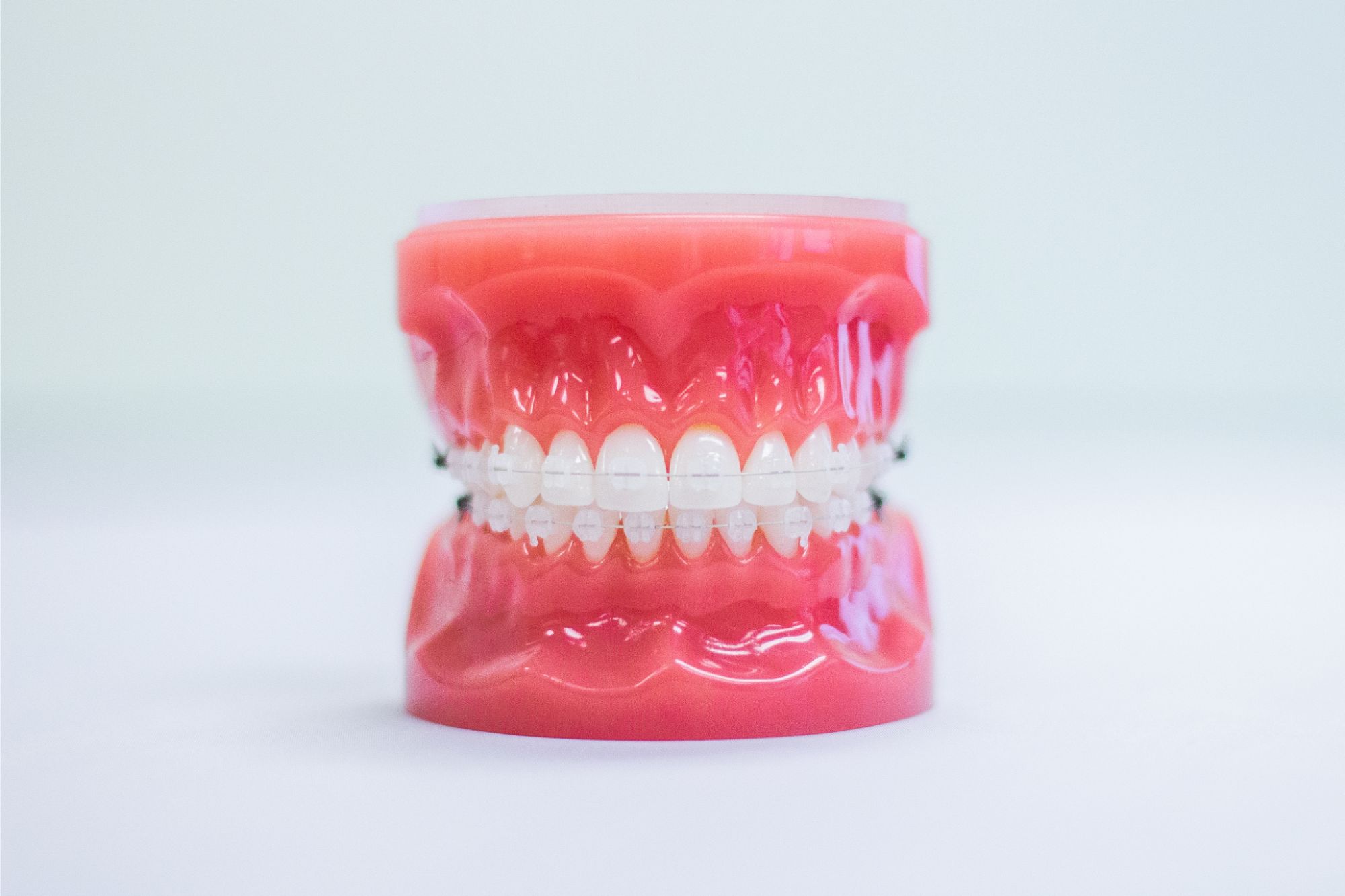
Ceramic braces, often called clear braces, are fixed orthodontic appliances that use clear or tooth-colored brackets bonded to your teeth. The brackets are typically made from polycrystalline alumina or sapphire, materials chosen for their strength and translucent appearance. They work just like metal braces, using an archwire and ligatures to gradually guide teeth into their correct positions.
The big difference? Visibility. Ceramic brackets blend in with your natural tooth color, making them far less noticeable than their metal counterparts. They aren’t invisible like clear aligners, but they offer a subtle, polished look that many adults and teens prefer. If you want fixed treatment without the shiny silver smile, ceramic braces are worth a close look.
How Ceramic Braces Work
Ceramic braces move teeth the same way metal braces do, through steady, gentle pressure applied over time. Here’s what the process looks like step by step:
- Bracket placement. Your orthodontist bonds a ceramic bracket to each tooth using a dental adhesive. Each bracket is precisely positioned to guide tooth movement.
- Archwire installation. A thin, flexible archwire is threaded through each bracket. This wire creates the force needed to shift teeth.
- Ligature placement. Small ties called ligatures hold the archwire in place. You can choose clear or tooth-colored ligatures for the most discreet look.
- Gradual movement. As the wire works, your teeth shift slowly while the surrounding bone remodels to support the new position.
- Adjustment visits. Every 4-8 weeks, you’ll return for a quick visit where the wire is adjusted or swapped to continue progress.
- Treatment completion. Most cases wrap up in 18 to 24 months, though complex cases may take longer.
The science behind the movement is the same as metal braces. The look is just quieter.
Benefits of Choosing Ceramic Braces
Why do so many patients at Delplanche Orthodontics choose ceramic braces? The appeal goes beyond appearance. Here’s what makes them stand out:
- Discreet appearance. Tooth-colored brackets blend with your enamel, making them a solid option for adults, teens and anyone who wants a subtle treatment choice.
- Effective for most cases. Ceramic braces can correct the same alignment and bite issues that metal braces address, including crowding, spacing and most bite corrections.
- Stain-resistant brackets. The ceramic material itself resists discoloration from coffee, tea and other common culprits. The ligatures can pick up color, but those are swapped out at every adjustment visit.
- Great for image-conscious patients. Whether you’re preparing for a wedding, climbing the career ladder or just want to feel confident in photos, ceramic braces give you fixed treatment without the metal mouth look.
Ceramic braces hit a sweet spot. You get the predictability of fixed appliances and the look of a more subtle appliance. For many patients at Delplanche Orthodontics, that balance is exactly what they’re after.
Ceramic Braces vs Metal Braces vs Invisalign
Choosing between ceramic braces, metal braces and Invisalign comes down to what matters most to you: looks, durability or convenience. Here’s how the three stack up side by side.
| Feature | Ceramic Braces | Metal Braces | Invisalign |
|---|---|---|---|
| Appearance | Discreet, tooth-colored | Highly visible | Nearly invisible |
| Durability | Slightly more fragile | Most durable | Very durable (but removable) |
| Treatment speed | Comparable to metal | Often fastest for complex cases | Depends on compliance |
| Removability | Fixed | Fixed | Removable |
| Best for | Aesthetic-focused older teens and adults | Complex bite corrections and younger patients | Self-disciplined patients wanting invisibility |
Metal braces are the workhorses. They’re strong, efficient and often faster for tricky cases because of lower friction between bracket and wire. Ceramic brackets can be slightly larger than metal brackets, which some patients notice. Invisalign offers removability, which is a huge plus for eating and brushing, but only if you wear your trays 20-22 hours a day.
Your choice depends on aesthetics, lifestyle and the complexity of your case. For a broader look at every option, see our guide to the different types of braces. A free consult with Dr. Delplanche is the clearest way to figure out which option fits your goals.
Caring for Ceramic Braces
Ceramic braces need about the same care as metal braces, with a little extra attention to keeping them looking clean.
- Brush after meals. Food caught around tooth-colored brackets is easier to spot, so a quick brush after eating keeps your smile looking its best.
- Floss every day. A floss threader or water flosser makes it easier to clean under the archwire.
- Go easy on staining drinks. Coffee, tea and red wine can tint the ligatures between visits. Rinsing with water afterward helps.
- Skip hard and sticky foods. Ice, hard candy and chewy sweets can crack a bracket or bend a wire. Here’s a fuller list of foods to avoid with braces.
- Wear a mouthguard for sports. It protects your teeth and your brackets.
Are Ceramic Braces Right for You?
Ceramic braces work well for a lot of patients, but they aren’t the best fit for every case. Here’s who tends to benefit most:
- Adults and teens who want fixed treatment without the look of metal
- Patients with mild to moderate alignment or bite issues
- Professionals in public-facing roles, like teachers, sales reps or performers
- Anyone preparing for a wedding, graduation or other milestone event
- Image-conscious patients who still want the predictability of fixed braces
And here’s when another option might make more sense:
- Younger kids. Ceramic brackets are a bit larger and more brittle than metal, so Dr. Delplanche usually recommends them for older teens and adults.
- Contact-sport athletes. Ceramic brackets are slightly more brittle than metal and can be more prone to breakage from impact.
- Complex bite corrections. Severe malocclusions sometimes respond faster to metal braces because of their lower friction and higher durability.
- Patients who want removability. If you’d rather take your appliance out for meals and brushing, Invisalign may be the better path.
The only way to know for sure? A one-on-one evaluation. Dr. John Delplanche, a board-certified orthodontist and Diplomate of the American Board of Orthodontics, will review your bite, your goals and your lifestyle before recommending a treatment plan. He offers ceramic braces at both offices, so whether you’re looking for braces in Lake Oswego or braces in Beaverton, you’ve got options, and we’re here to help you find the right one.
Frequently Asked Questions About Ceramic Braces
Do ceramic braces stain?
The ceramic brackets themselves resist staining and hold their color well throughout treatment. The ligatures (the small ties that hold the archwire in place) can pick up discoloration from coffee, tea, red wine and dark foods. The good news is those ligatures get swapped out at every adjustment visit, so any staining is temporary. Choosing clear or white ties keeps the look fresh between visits.
How long do ceramic braces take?
Most cases finish in 18 to 24 months, though complex cases may take longer. Milder cases wrap up faster, while more involved corrections take more time. Dr. Delplanche will give you a personalized timeline at your free consult based on your specific case.
Can kids get ceramic braces?
Ceramic braces are most popular with older teens and adults. Because the brackets are a bit larger and more brittle than metal, Dr. Delplanche usually recommends metal braces for younger patients.
What color ligatures look best with ceramic braces?
Clear or white ligatures give you the most discreet look because they blend with the tooth-colored brackets. Some patients enjoy switching up colors for fun, especially teens who want to show off school spirit or holiday themes. Since ligatures change at each adjustment, you can experiment visit by visit.
Can teeth shift years after ceramic braces come off?
Yes. Teeth can and do shift over time if retainers aren’t worn as directed. That’s why long-term retainer wear is essential to protecting your results, no matter which type of braces you choose. Dr. Delplanche will walk you through a retention plan to keep your new smile stable for the long haul.
Are ceramic braces as strong as metal braces?
Ceramic brackets are durable and reliable for most cases, but they are slightly more brittle than metal brackets. That means they can chip or crack under heavy impact, which is why they’re not always the top pick for contact-sport athletes. For everyday wear, ceramic braces hold up well throughout treatment.
Ready to see if ceramic braces are the right fit for your smile? Dr. John Delplanche and the Delplanche Orthodontics team would love to meet you. Schedule your free consult today at our Beaverton office (9700 SW Beaverton Hillsdale Hwy) or our Lake Oswego office (15962 Boones Ferry Rd Suite 108), and let’s talk through your options together. You deserve a smile you’ll love, and we’re here to help you get there.